HELIUM BALLOONS AND STRINGS BAD FOR BIRDS AND OTHER ANIMALS
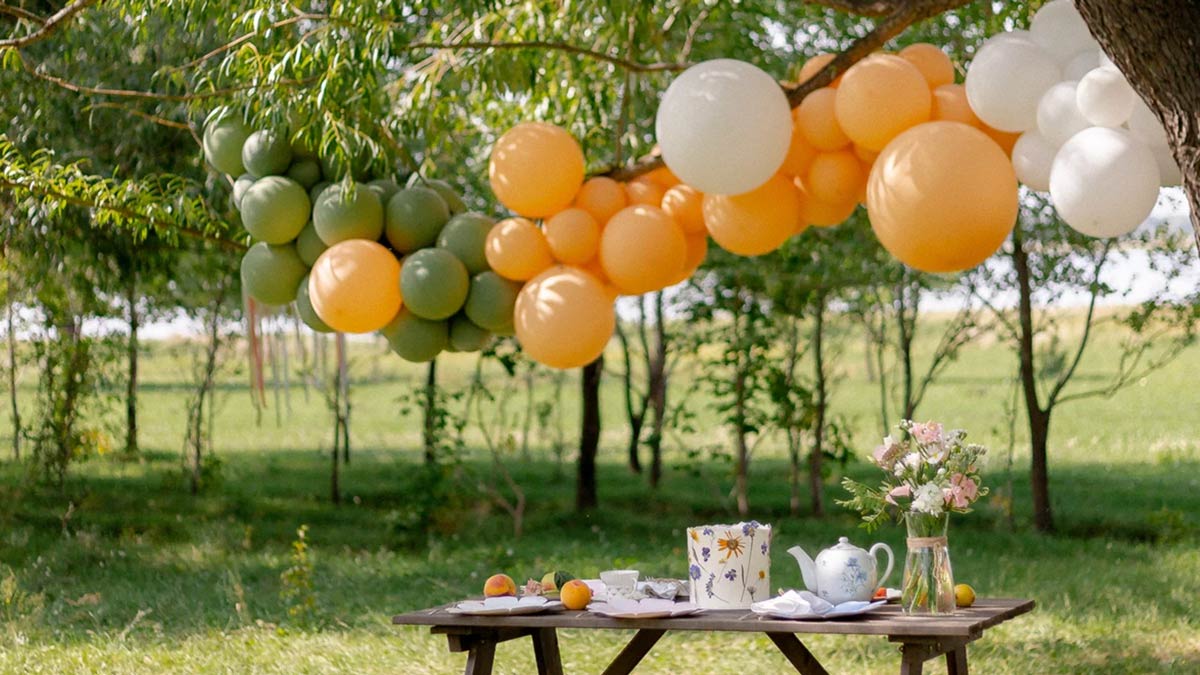
As Americans, we have lots of interesting traditions, but are they all worthy of doing? One tradition that can be harmful to owls, other birds and animals is the celebratory release of helium balloons. Later, such balloons can land up in trees where a curious bird might get entangled in the string. Balloons can also land in pastures where livestock will eat the plastic balloon and string only to cause problems including a blockage in their digestive tract.
Birds also may incorporate plastic and string into their nest only to result in the nestling’s neck or leg getting entangled, leading to a struggle that can result in injury or even death. Bailing twine, used to hold haybales together, that is left out in pastures, is often picked up by raptors gathering soft grasses to line their nest and has been known to be a deadly addition when added to their nest. For an example involving nesting Ospreys, see owlresearchinstitute.org. Adult birds may mistake old helium balloons, string, plastic strips, and twine for nesting material, with potentially deadly consequences.
Don’t release helium balloons because it’s littering. Clean up any bailing twine or strips of plastic you find because they’re all harmful to birds, livestock, and other animals. Do it for the owls.