
BLOG

AVOID RUNOFF IN OUR WATERS
Every living thing requires a little H-2-0, including you and me. Natural waters, including rivers,

AVOIDING EROSION
The Environmental Protection Agency lists sediment as the number one pollutant of our creeks and rivers, but it shouldn’t be.

BIRDS AND WINDOWS JUST DON’T MIX
Birds and windows simply don’t get along, and they haven’t gotten along since we started peppering the landscape with buildings and homes.

BUY A HUNTING & FISHING LICENSE PLUS WMA PERMIT
Hunters and anglers have an avenue to annually pay into conservation efforts for fish and wildlife by purchasing licenses. Wildlife-watchers, including birdwatchers, don’t really have a similar, dedicated way to pay into state-level conservation.

CLIMATE CHANGE
If you’ve ever gone in search of a rare bird, you know that they’re often rare because of a limited range.
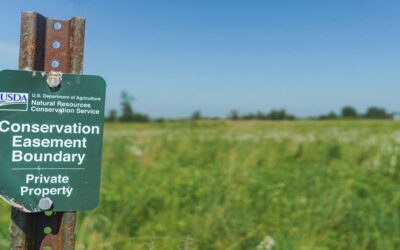
CONSERVATION EASEMENTS
What if you have a really big backyard like a couple hundred or even a couple thousand acres of great wildlife habitat that you want protected forever for birds and other wildlife?
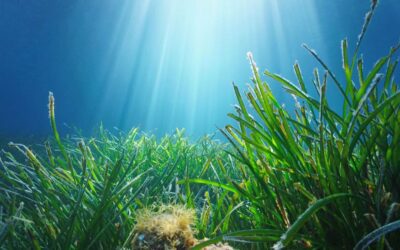
LIFT, DRIFT, POLE AND TROLL
Seagrasses are native flowering plants found just offshore in calm shallow saltwater bays.

TAKE YOUR CHILD OR GRANDCHILD OUT OF COUNTRY
Travel is the best way for our youth to see different things. Traveling abroad can open their eyes to all sorts of differences in landscapes and nature.

TAKE A CHILD TO A NATURE CENTER, REFUGE, OR PARK IN SEARCH OF NATURE
Are you tired of seeing your kids or grandkids glued to their electronic devices? Do everyone a favor and take them to a nature center, refuge, or park in search of nature.

SUPPORT OUR NATIONAL AND STATE PARKS
If you like traveling in order to visit the great outdoors, your hiking shoes and binoculars aren’t the only things to remember to pack

PICK A PATCH FOR BIRDING
Nature enthusiasts are encouraged to contribute their bird sightings to citizen science projects like iNaturalist and eBird. These two platforms have been discussed previously in this blog

NATIVE GRASSES
When asked what habitats in our world have been heavily altered or degraded, most biologists and ecologists in North America would reply emphatically “well, that’d be our wetlands.