
FEATHER LOSS IN BIRDS
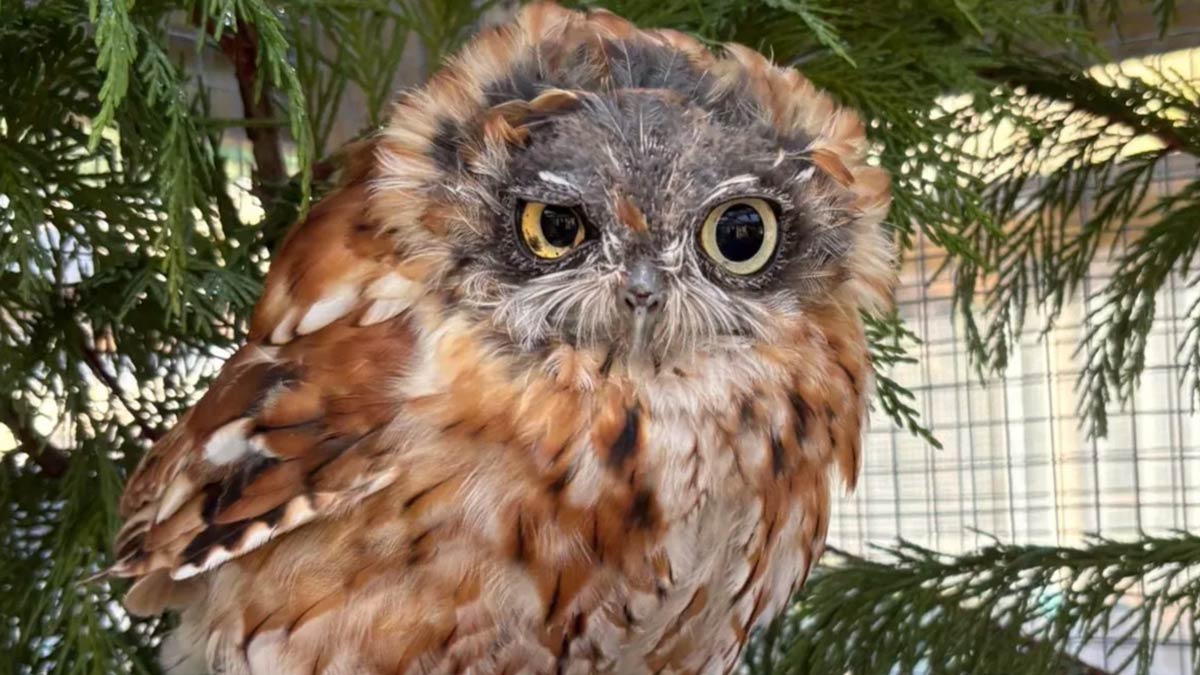
Has this discussion ever happened in your house? “Honey, come here and look out the window! There’s a cardinal with no feathers on his head! Something must be wrong. Who do we call for help?” The response is to call no one because what you’ve witnessed is completely normal and it’s called feather molt. Feathers are strong but get worn, so they must be replaced at least once a year.
Sometimes you’ll see a vulture or hawk soar overhead with a flight-feather or two missing which leaves a gap in the trailing part of the wing. The bird isn’t injured – instead, that feather molted and soon will be replaced. You won’t see a naked bird that has molted all of its feathers at once. In order to remain active and busy, feathers are usually molted gradually. One exception happens in some ducks and grebes that molt all of their flight-feathers at once but, since they occur in wetlands, they can evade danger by diving and swimming to safety.
The body of your backyard birds might appear fully covered in feathers, yet feathers aren’t emerging evenly from the skin. Instead, feathers in most species are distributed in scattered patches called feather tracts. To read more about feather tracts, please see ccbbirds.org/2010/03/22/crop-ears-feather-tracts/. The odd-looking cardinal mentioned earlier was molting its entire capital tract, or head feathers, giving it that awkward naked-head look. Next time you see a bird missing some feathers, don’t fear that any foul play has occurred – rather, you may have witnessed feather molt. Appreciate what you’re seeing in the great outdoors – do it for the owls.